சிவயோகம்
Sivayogam — breath and stillness
The asana and pranayama that let a body sit upright for days. What devotees see as a miracle of endurance is, first, a well-taught practice.
Guru & shishya
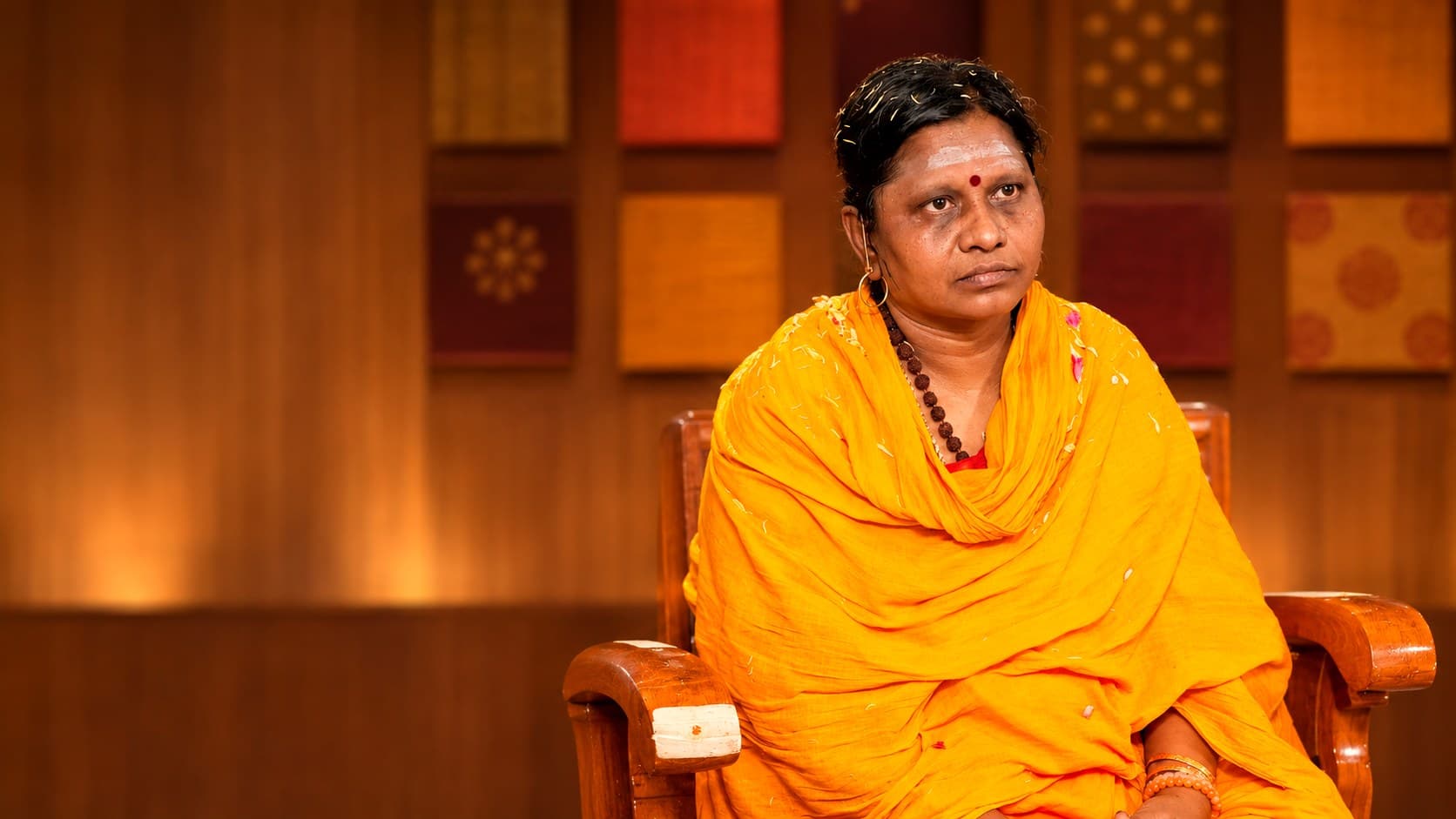
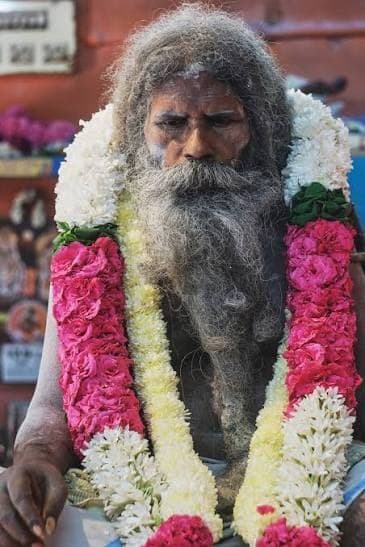
குரு – சிஷ்யர் · தியானேஸ்வர் அம்மாவும் மௌனசாமியும்
Mouna Siddhar of Tiruvannamalai did not arrive at silence alone. He was guided into it, step by step, by his guru — Sathguru Siva Sri Thiyaneswar Amma, whom the ashram calls Maataji. This page tells that story as the ashram tells it.
What the bond means
In the Hindu tradition the guru–shishya relationship is not a class or a course. The shishya lives near the guru, serves without being asked, and absorbs the teaching as much from the guru's daily life as from her words. The guru, in turn, takes responsibility for the shishya's whole path — body, mind and spirit — and passes on what her own guru gave her. That chain is the parampara.
For a longer explanation, Hinduism Today's feature on the guru–shishya tradition is a good starting point. Read it
What Maataji taught him
As the ashram tells it, Mounasamy learnt the whole of his practice under Maataji. Each card below is a discipline she teaches at the ashram to this day — and the way it lives on in him.
சிவயோகம்
The asana and pranayama that let a body sit upright for days. What devotees see as a miracle of endurance is, first, a well-taught practice.
சிவ பூஜை
The altar he sits before — its lamp, flowers and vibhuti — follows the pooja Maataji teaches every morning at the ashram.
திருவாசகம்
Manikkavasagar's hymns, learnt in Maataji's classes, are now recited without a sound — the words went inside when the voice stopped.
விபூதி
The sacred ash that covers him is the mark of a Saiva sadhu; the meditation beneath it is Maataji's Siva dhyana.
சேவை
Before he stopped speaking he served — annadhanam, the Girivalam path, sadhus. Maataji's rule: feed first, then sit.
மௌனம்
When the practices had done their work, Maataji gave him the vow of silence. It has not been broken since.
A sadhana, stage by stage
A plain record for devotees and seekers who want to understand how silence is reached. Years and details in brackets are for Maataji and the office to confirm; nothing here should be published as fact until she has.
Year
What Maataji gave
Shelter, food, a place at the ashram's work
What changed in him
Leaves the milk trade and the city for good
Years
What Maataji gave
Daily duties: kitchen, altar, Girivalam path, sadhus
What changed in him
About ten years of service; the ego thins
Year
What Maataji gave
Asana, pranayama, the morning pooja, Thiruvasagam
What changed in him
Can sit for long hours; the mind settles
Year
What Maataji gave
A vow of mouna; vibhuti; the discipline of not lying down
What changed in him
Stops speaking. Sits before his altar day and night
Years
What Maataji gave
Maataji's oversight of his care from a distance
What changed in him
Pilgrims begin to call him Mouna Siddhar
Year – today
What Maataji gave
Daily care: food, altar, protection of his silence
What changed in him
Darshan for thousands; still silent
In Maataji's words
“மௌனமே அவருடைய மொழி; அவர் அமர்ந்திருப்பதே சிவ வழிபாடு. அவரிடம் எதுவும் கேட்க வேண்டாம் — அருகில் அமைதியாக அமருங்கள்; அந்த மௌனமே உங்களுக்குக் கற்றுத்தரும்.”
“Silence is his language; his sitting itself is his worship of Shiva. Do not ask him for anything — sit near him quietly, and let that silence teach you.”
— Sathguru Siva Sri Thiyaneswar Amma
The wider family
Maataji's disciples run the kitchen, teach the children, clean the path and sing at the temples. A few of them, with her permission, are introduced here.
Both are at the ashram at Adi Annamalai. Sit with Mounasamy in the day; join satsang in the evening, where Maataji speaks when she can.